Finding Plot Structure in Song

Ask many musicians how they write lyrics, a popular answer would probably be something along the lines of “I’m just trying to tell a good story.” Our desire for story and storytelling exists in every artistic medium we consume!

With most forms of storytelling we can look to Freytag’s Pyramid to understand the parts of plot. According to Freytag, plot consists in five phases: Exposition, Rising Action, Climax, Falling Action, and Resolution. Each of these phases with their respective characteristics.
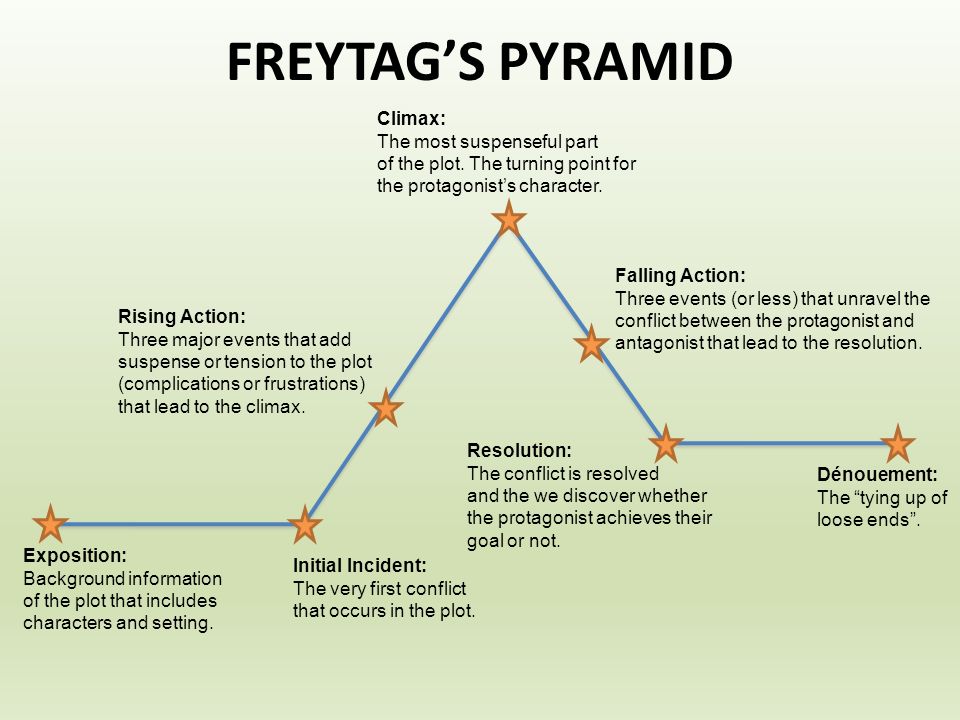
Image result for freytag's pyramid

The emphasis of storytelling is prevalent in all genres of music. However, it is a one of the most defining characteristics of Country and Western music. We can look to our favorite songs to understand our plot structure is comprised. Therefore, to model how this can be done, I will be looking at the iconic country song by The Charlie Daniels Band “The Devil Went Down to Georgia.

Image result for devil went down to georgia

Exposition

The devil went down to Georgia
He was lookin’ for a soul to steal
He was in a bind
‘Cause he was way behind
And he was willin’ to make a deal

When he came upon this young man
Sawin’ on a fiddle and playin’ it hot
And the devil jumped
Up on a hickory stump
And said, “boy, let me tell you what

We are introduced to the characters, the setting, and the conflict immediately. We have the devil and a young boy in the woods fixated around a stump. The conflict arises when the devil issues his challenge.

Rising Action

I guess you didn’t know it
But I’m a fiddle player too
And if you’d care to take a dare, I’ll make a bet with you

Now you play a pretty good fiddle, boy
But give the devil his due
I’ll bet a fiddle of gold
Against your soul
‘Cause I think I’m better than you”

The boy said, “my name’s Johnny
And it might be a sin
But I’ll take your bet
And you’re gonna regret
‘Cause I’m the best there’s ever been”

Johnny, rosin up your bow and play your fiddle hard
‘Cause hell’s broke loose in Georgia, and the devil deals the cards
And if you win, you get this shiny fiddle made of gold
But if you lose, the devil gets your soul

The devil opened up his case


And he said, “I’ll start this show”
And fire flew from his fingertips
As he rosined up his bow

Then he pulled the bow across the strings
And it made an evil hiss
And a band of demons joined in
And it sounded something like this

When the devil finished
Johnny said, “well, you’re pretty good, old son
But sit down in that chair right there
And let me show you how it’s done”

In this section of the song, we build up the conflict. Johnny has accepted the challenge and he is aware of the consequences. We see and hear the devil’s performance, and are left wondering can Johnny win this fight?

Climax

He played Fire on the Mountain run boys, run
The devil’s in the House of the Rising Sun
Chicken in a bread pan pickin’ out dough
Granny, does your dog bite? No child, no

The climax of the song is mostly instrumental, characterized by violin solo offered by our protagonist Johnny. We see our hero’s turning point and his offer of resolve to the conflict. The challenge was accepted, the battle was fought, and our protagonist was victorious.

Falling Action

The devil bowed his head
Because he knew that he’d been beat
And he laid that golden fiddle
On the ground at Johnny’s feet

Johnny said, “Devil, just come on back
If you ever want to try again
I done told you once you son of a b***h
I’m the best that’s ever been”

We see the conflict resolved. We see our hero triumphant and wallowing in the spoils of his war. It is confirmed that our protagonist has established himself as the victor.

Resolution

He played Fire on the Mountain run boys, run
The devil’s in the House of the Rising Sun
Chicken in a bread pan pickin’ out dough
Granny, does your dog bite? No child, no

Our resolution is given in a repeat of the chorus, with the song trailing out as Johnny repeats his violin skills. This confirms to the reader that the conflict was resolved completely and not by accident. All loose ends are tied, and thus the book and story is closed.
Exploring Literary Movements Using Music

Exploring Literary Movements Using Music

There are many movements that we use to label and categorize major styles and themes prevalent in literature. These movements, overarchingly, were thought movements or philosophical movements. These were shaped by the mindsets of the society and the major ideals in discussion. Obviously, we can analyze these movements and seek to understand them by looking at the works of literature of the period. However, literature was not the only artistic medium. We can also look to music to help understand and define these movements.

We will be looking at four of these movements: Romanticism, Transcendentalism, Modernism, and Post Modernism.

Romanticism

Romanticism was a literary and artistic movement prevalent in Europe in the first half of the 1800s. Romanticism is characterized by expressionist writings that focused on emotion and feeling. Many works in this period focused on themes such as individual expression and glorification of the past and the natural world. Encyclopedia Britannica notes, “Romanticism emphasized the individual, the subjective, the irrational, the imaginative, the personal, the spontaneous, the emotional, the visionary, and the transcendental.” The movement focused much on cognivist and expressionist thinking. Knowledge in these texts was a very human thing and glorified by vivid imagery discussing emotion and human nature.

To further understand Romanticism, we can turn to the music that the movement bore. The music at the time often revolted against classical conventions and thus breaking free from limitations in order to express emotion and feeling in all ways possible.

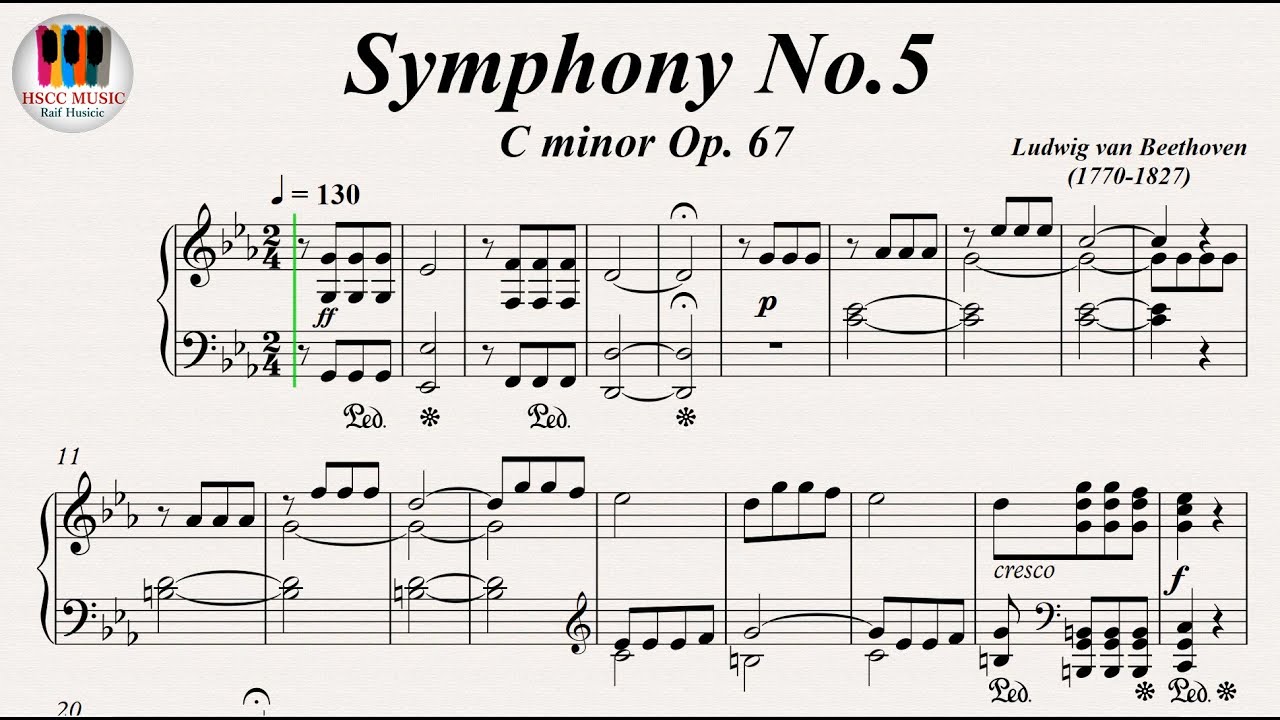
Image result for beethoven symphony 5

The most well-known composer of the era was Beethoven. By looking at his Fifth Symphony, we can see traits relevant to the era. The composition utilized non-conventional tonalities and structure to create suspense and triumph. By breaking free from convention, and seeking to make sound that was completely human, Beethoven composed one of the most iconic pieces of music of all time.

Transcendentalism

Transcendentalism was a literary and artistic movement that bred itself from the European Romanticism that was prevalent at the same time in the early 1800s. The philosophies surrounding this movement were concerned with knowledge and where it resides.   UShistory.org writes, “This knowledge comes through intuition and imagination not through logic or the senses. People can trust themselves to be their own authority on what is right.” This movement was highly influenced by the philosophies prevalent at the time. Works of David Hume and Immanuel Kant were influencing various artistic mediums including literature. Transcendentalism was an inherently optimistic movement focusing on the goodness and positivity of human nature in relation to the world we live in.

Image result for dont stop believing

We can even see transcendental influences in more modern music. An example of this is Journey’s iconic song, “Don’t Stop Believin’”. The song promotes something greater and staying strong to one’s beliefs and values. We can learn the most about ourselves from ourselves innately.

Modernism

Modernism was a thought movement that became prevalent in the late 19th and early 20th centuries. Growing in population with the rise of modern industry and capitalism, modernism is characterized by a self-consciousness that, combined with logic and objectivity, promotes skeptics of the world around us. The Literature Network notes, “In contrast to the Romantic world view, the Modernist cares rather little for Nature, Being, or the overarching structures of history. Instead of progress and growth, the Modernist intelligentsia sees decay and a growing alienation of the individual.” Although mostly often spoke about as a means for literary criticism, Modernism was an overarching philosophy that was prevalent in all forms of art and expression.

Image result for prog rock

The genre of Progressive Rock is a good example of modernism at work in music. Music that is written that breaks conventions but follows a contrasting convention of breaking convention. Early Progressive Rock bands include, Rush, Yes, King Crimson, and the Moody Blues.

Post Modernism

Postmodernism bred itself as a thought movement in direct contrast with modernism. Postmodernist agree that reality is not defined by a singular human understanding, however it is defined by an individual’s struggle to make sense of that reality. PBS writes, “Postmodernism is largely a reaction to the assumed certainty of scientific, or objective, efforts to explain reality.” There is multiplicity in meaning. Subjective truth triumphs over notions of objective truth. Most importantly, Postmodernism denies the purposes of metanarratives, or single answers to undefinable and wide breaching notions.

Image result for picture kid rock & sheryl crow album cover

One example of Postmodernism in music is the use of multiple perspectives that explain one situation. Emphasizing the fact that there is always multiplicity in meaning, there are always multiple sides to the same story. The iconic song “Picture” by Sheryl Crow and Kid Rock showcases this. It offers two sides of a breakup. It offers two interpretations of the same picture.

References and Further Reading

https://www.britannica.com/art/Romanticism

https://www.theartstory.org/movement-romanticism.htm

http://www.ushistory.org/us/26f.asp

http://www.newworldencyclopedia.org/entry/Modernism

http://www.online-literature.com/periods/modernism.php

https://www.pbs.org/faithandreason/gengloss/postm-body.html

Songs Based on Books and Concept Albums

After teaching an entire novel, many teachers naturally seek to end the unit with something fun that will drive home the important themes and topics discussed throughout the book. Easily we can turn to the countless movie adaptations of our novel. However, there are some interesting and fun alternatives. There are countless songs and albums that are either based off of or directly influenced by our favorite literary works. We can utilize these songs to connect more with students who might prefer music over film.

We also must consider what a song written about a book means. The composers and writers of the songs were at one point the readers of the same books we are studying. Therefore, the contents of the song represent an interpretation of the text. These songs can be used to access new perspectives and new interpretations. We look to academic articles and papers to get new interpretations of a text, so why can’t we look at other forms of media? We can start a lesson over the novel by playing a corresponding song and getting students interested.

Almost every classic piece of literature has a song that has been written about it. Musicians have been drawing inspiration from novels for years and will for years to come. While there are countless songs based on literary texts, here are some of my personal favorites:

Songs Books
1984 – David Bowie 1984 – George Orwell
White Rabbit – Jefferson Airplane Alice’s Adventures in Wonderland – Lewis Carrol
Lolita – Lana Del Rey Lolita – Vladimir Nabokov
Lost Boy – Ruth B Peter Pan – J. M. Barrie
If I Die Young – The Band Perry Lady Shallot – Lord Tennyson
Mastodon – Blood and Thunder Moby Dick – Hermann Melville
Ramble On – Led Zeppelin Lord of the Rings – J. R. R. Tolkien
One – Metallica Johnny Got His Gun – Dalton Trumbo
For Whom the Bell Tolls – Metallica For Whom the Bell Tolls – Ernest Hemingway
Dante’s Inferno – Iced Earth The Divine Comedy – Dante Alighieri
Feed My Frankenstein – Alice Cooper Frankenstein – Mary Shelley
Behind the Wall of Sleep – Black Sabbath Behind the Wall of Sleep – H. P. Lovecraft
Communion of the Cursed – Ice Nine Kills The Exorcist – William Peter Blatty
Brave New World – Iron Maiden Brave New World – Alduos Huxley
Home – Breaking Benjamin The Wizard of Oz – Frank Baum
Rime of the Ancient Mariner – Iron Maiden Rime of the Ancient Mariner –Samuel Taylor Coleridge
Lord of the Flies – Iron Maiden Lord of the Flies – William Golding

For students who are particularly interested in music, you may want to recommend them check out ‘concept albums’. ‘Concept Albums’ are albums that follow a theme or concept, and, on many occasions, they tell a story who’s plot progresses with each song. For me, concept albums revived a love for story and storytelling that had been driven out of me due to the mandated reading of school. I have always had a fondness and am inclination to be drawn to a great story. Concept albums were a combination of my love for music and my love for story. Here are a few of my personal favorites:

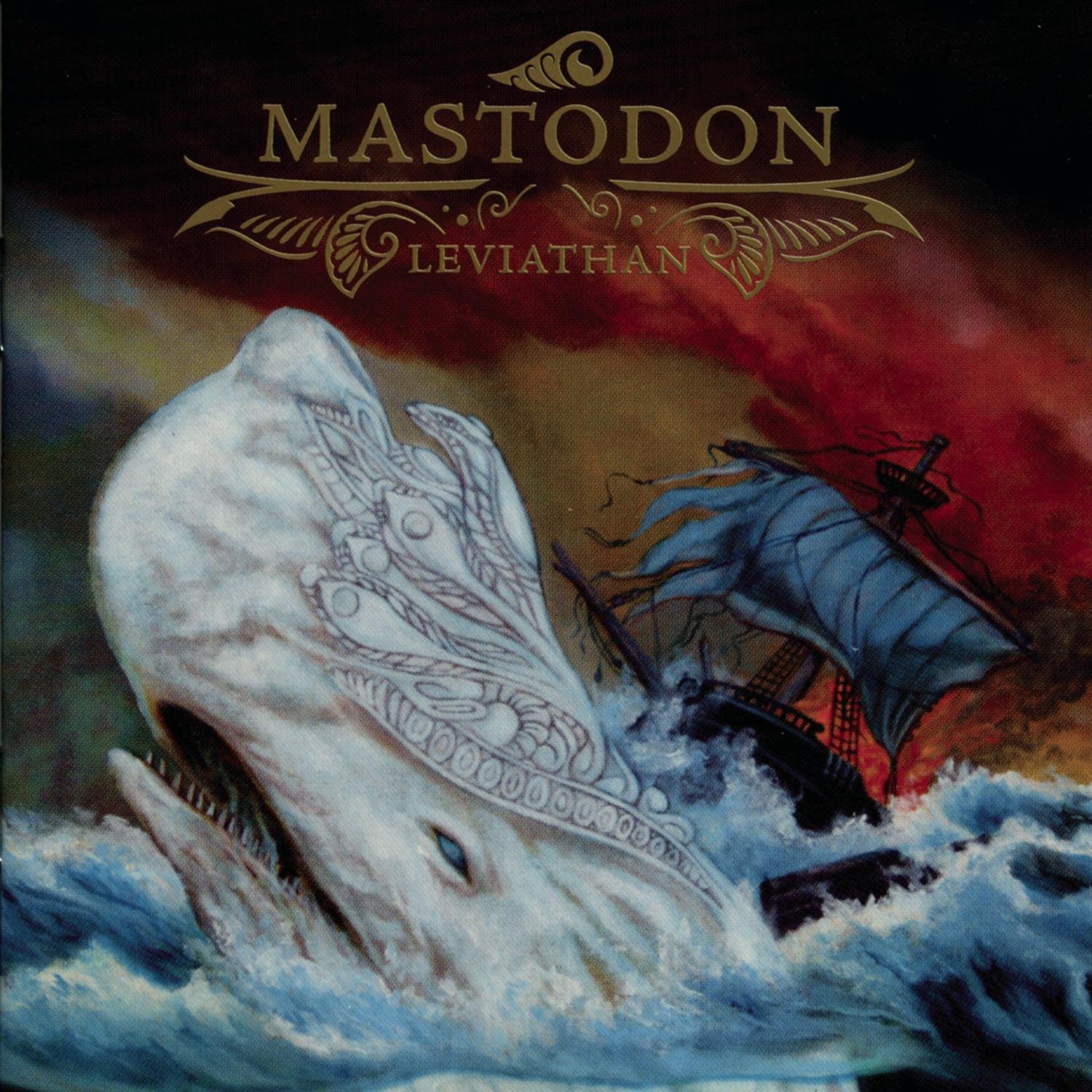
Leviathan – Mastodon

Image result for mastodon leviathan
This album is based off the American novel Moby Dick by Hermann Melville.

Every Trick in the Book – Ice Nine Kills

Image result for every trick in the book
This album is based on a variety of novels and literary works, including songs based on: Carrie, The Exorcist, Romeo and Juliet, The Diary of Anne Frank, and Dracula.

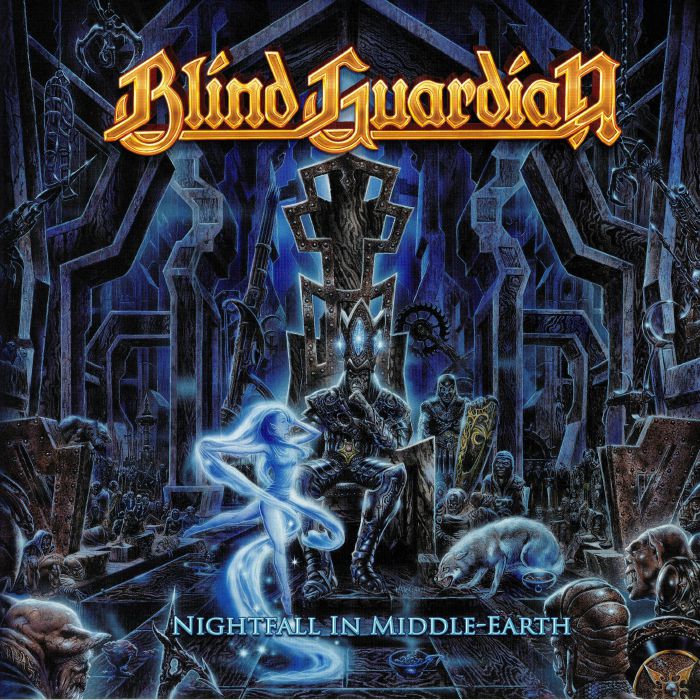
Nightfall in Middle Earth – Blind Guardian

Image result for nightfall in middle earth
This album is based off the works of J. R. R. Tolkien that are based in Middle Earth.

In conclusion, there are many ways to utilize music to accompany the teaching of literature. If I didn’t cover a novel you are teaching in this list, there may very likely be a song that fits your desired text. Keep this in mind next time you are looking for different mediums to accompany a text you are teaching.

Soundtrack Short Story

This a short and fun assignment to get your students writing creatively. Many students complain that they can’t think of what to write about. Here they can choose their own prompt through simply choosing songs they enjoy.

————————————————————————————————————-

Music and songs can be a useful source of inspiration for your writing. Usually soundtracks are developed to accompany another work, such as a movie. However, in this assignment we will reverse that! We will be developing a soundtrack first, then creating a short story inspired by our soundtrack.

  • Step One: Choose five of your favorite songs and create a playlist.
  • Step Two: Arrange the songs so that each song may serve as a soundtrack to your story.
  • Step Three: Compose a creative piece that takes your reader through a journey that is inspired by the songs you chose.

Length Requirement: 400-500 words

Genre: You may choose to write a short story, write a poem, or write an epistolary piece (letters/diary format). Approach the assignment however you would like, as long as it is creative!

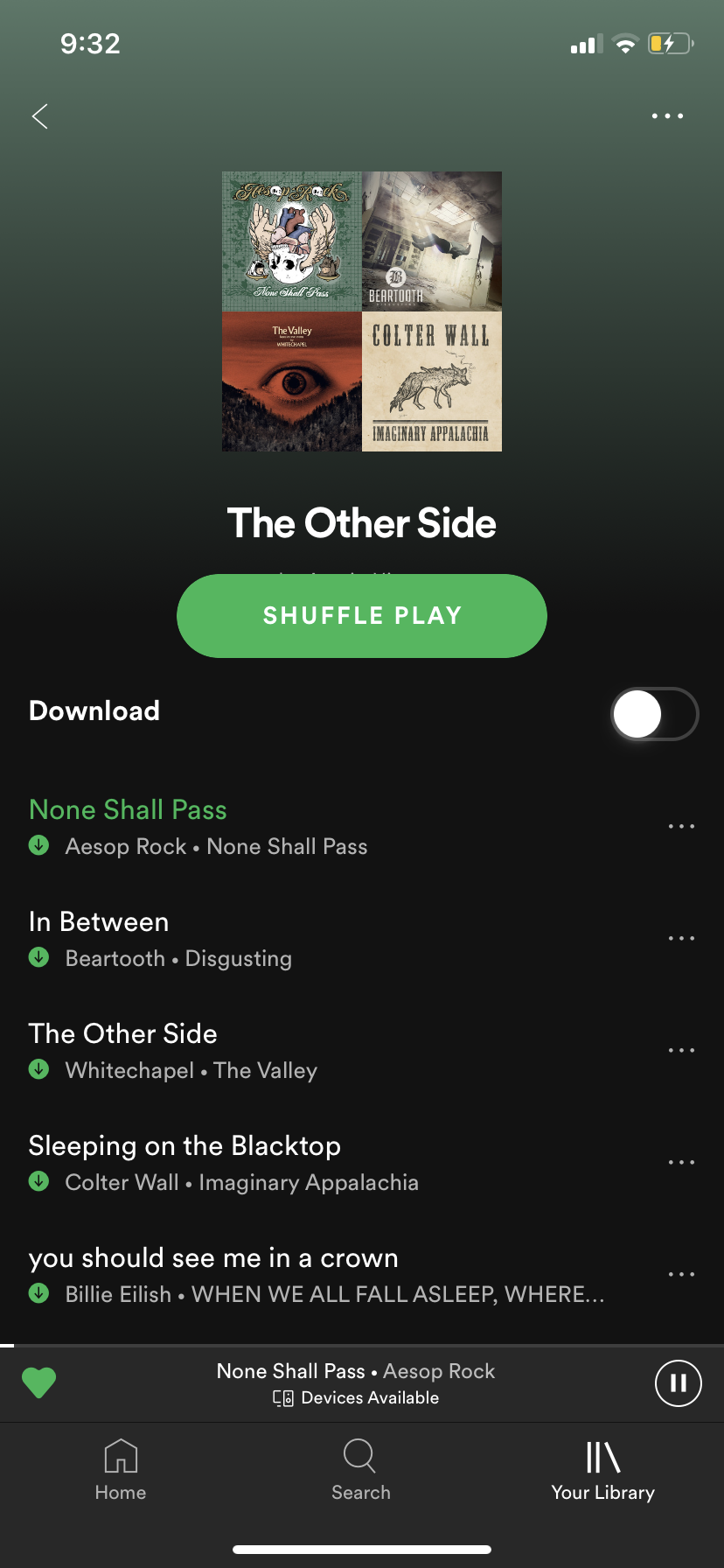
Note: Please include either a screenshot of the playlist or a list of the songs you chose to accompany your story.

EXAMPLE:

The Other Side

By Austin Vincent

I stared at the sign on the fence ahead of me that read “None Shall Pass.” I knew I had to get to the other side of town before it got dark, and the sun was about to set. I needed to take the shortcut; I needed to hop the fence. I had a birthday party to get to, and I wasn’t missing it for the world.

I pulled the brim of my cap down low and got myself ready. I took a few steps toward the fence and leapt with vigor. My hand clenched the chain link as I hoisted myself up and over the fence. As I topped the fenced and jumped down to the ground, I twisted my ankle. I bent down to check and make sure nothing was broken. Luckily, it was just a light sprain. But as I looked back up, I realized why that sign had been posted on the fence. In front of me was a giant Rottweiler with a spiked collar and everything. I was caught in between a fence I couldn’t climb and certain death that I could not run from.

I thought I was done for. Until I realized I might have a trick up my sleeve, or in my pocket rather. . .

I slowly reached down into my pocket and pulled out a Slim Jim stick I had picked up earlier. The dog switched its gaze from me to the jerky. I waved it back and forth and the dogs eyes followed. I sure hope this works. I threw the jerky as far as I could, and the dog almost fell he took off running so fast. I limped away as fast as I could toward the other side of town.

I ran through alleys past garbage cans and dumpsters weaving between the buildings of the city. The sun was beginning to set, and the alley cats were laying down and sleeping on the black top. I could see it in the distance. I made it. As I walked through the doors of the Burger King, I saw all my friends posted up in the back. The man of the hour, Chuck, said to me, “Man, you look rough.” I smiled and reached for a signature Burger Kind cardboard crown. I turned to Chuck and replied, “Huh, you think I look good now. . . you should see me in a crown!”

Album Reviews

An album review is a great way to experiment with writing in a genre that might not be familiar. Most reviews seem to answer the burning question, “Does the product achieve its goal and/or meet expectations of the audience/consumer?” Reviews can be approached in a variety of ways, however a few main points remain consistent among “good” and “helpful” reviews. These points are: descriptions of the product (utilize expressive and descriptive writing here), a personal experience with the product (appeal to pathos here), offer a justification of praise or discontent “why is it good/bad?” (utilize argumentative writing here), and finally ending with a recommendation for or against the product.

I’ve decided to explore album reviews as a way to promote descriptive writing, expressive writing, and argumentative writing all in one place. Students can hone these skills by applying them to music that they enjoy or are interested in.

To model this, I have decided to take a look at the album that I have been listening to the most the past few weeks.

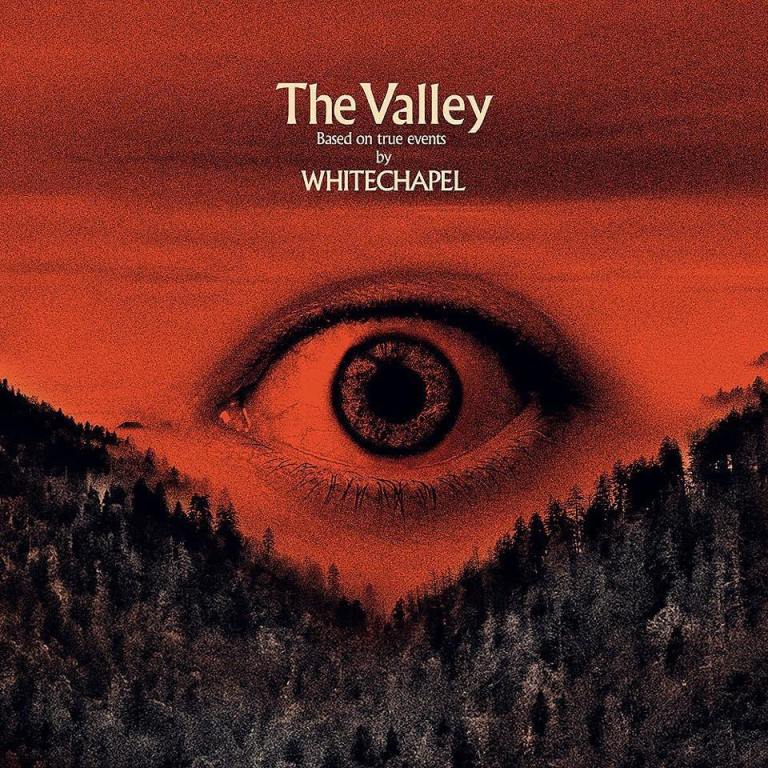
THE VALLEY – WHITECHAPEL

Tennessee metal act Whitechapel released their newest album this March (2019). This album is the band’s seventh full length release. It is a new direction for the band, implementing new sounds to the already distinctive Whitechapel sound. The pioneers of the modern deathcore sound incorporate more mid tempo grooves and ambient breaks. All of the songs retain that signature sound Whitechapel have created, while many tracks expand and push the band in a new musical direction. The opening track “When A Demon Defiles a Witch” provides the listener with a sense of the new direction in the chorus and bridge where vocalist Phil Bozeman shows of an impressive delivery of clean but emotional vocals. The clean vocals paired with an ambient but heavy instrumental create a very cinematic listening experience. The songs “Forgiveness is Weakness”, “We Are One”, and “The Other Side” showcase the original hard hitting deathcore sound Whitechapel have perfected. Songs like “Brimstone” and “Black Bear” provide hard-hitting and groovy mid tempo riffs and slow breakdowns reminiscent of the bands more recent albums. The most different song on the album is the song “Hickory Creek.” In this track Phil, for the first time, uses exclusively clean vocals. This track breeds a much more Hard Rock style. Overall, the album feels very complete. From beginning to end the album showcases the bands growing musicianship. I have connected to this album as a whole more than any other Whitechapel release. I very much appreciate the experimentation done on this album. The lyrics stand out the most for me. The lyrics are beautifully written and are inspired by true events throughout Phil’s childhood. The raw emotion seeps out of this album from beginning to end. I recommend this album not only to fans of the band but also to fans of metal in general. This album could be a good gateway for fans of the genre to be introduced to Whitechapel. 5/5 stars.

The Valley – Whitechapel (Released March 2019)

The Journey Begins

Thanks for joining me! I am an English Education major at Missouri State University. I am almost done with my undergraduate and hope to pursue a master’s in Rhetoric and Composition. In this blog, I will be combining my interest and passion for English with my interest and passion for music. I will be exploring multiple ways to utilize music in the classroom for educational purposes and for personal inspiration.

Pursue happiness with diligence. — Mastodon

post